

By The Jahazi Project | Ascending Africa
Across the region, the fight against illegal, unreported, and unregulated fishing (IUUF) has gained momentum thanks to strengthened commitments under major regional frameworks such as the South West Indian Ocean Fisheries Commission, the Indian Ocean Commission programs, the Nairobi Convention, and the SADC Fisheries Protocol. These platforms encourage countries to align laws, share information, adopt modern monitoring systems, and work toward coherent governance of their shared waters. They form the backbone of regional cooperation, enabling countries to move from isolated national actions to more harmonized collective responses.
Even with these strong frameworks in place, the magnitude of IUUF remains staggering. In Tanzania, for example, nearly half of all marine catch is estimated to come from illegal or unregulated practices, a sobering reminder of the scale of the problem and the economic losses it inflicts.
Along Kenya’s northern coastline, collaborative patrols that bring together community rangers and national agencies demonstrate how joint enforcement can restore hope where destructive fishing has caused long-term damage. In several parts of the region, youth-led conservation groups are already introducing tools such as drones, digital reporting platforms, and community ocean literacy programs, which show how innovation and grassroots leadership are reshaping the culture of ocean stewardship.
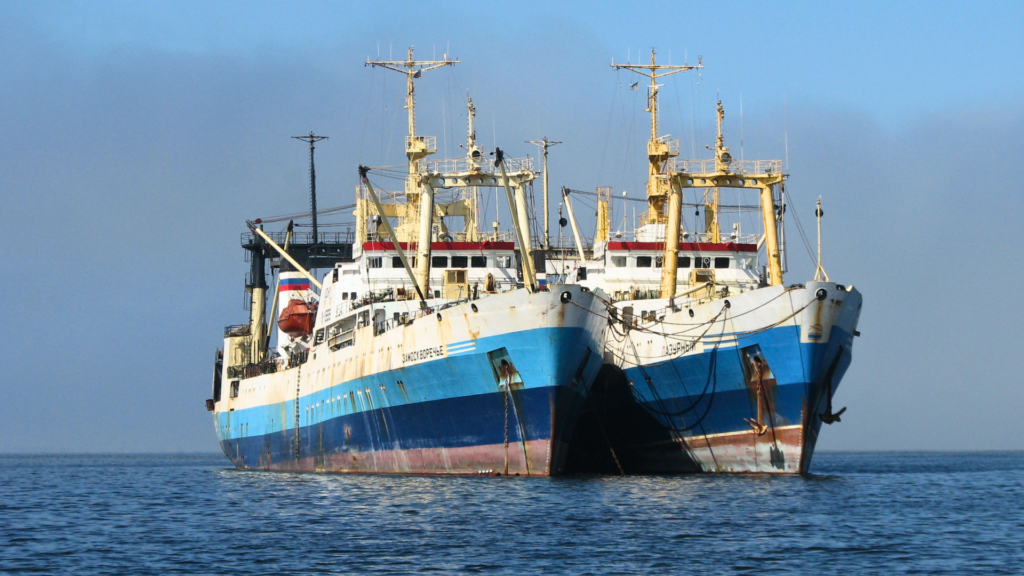
In Mauritius, IUUF presents a distinct challenge, but also an important opportunity for regional leadership. As a major seafood processing, transshipment, and port hub in the South West Indian Ocean, Mauritius plays a pivotal role in global tuna supply chains and has already taken meaningful steps to strengthen responsible fisheries governance. Its strategic position underscores the importance of robust traceability and transparency, particularly in transshipment and vessel ownership, to safeguard the integrity of legal markets. Building on the notable progress Mauritius has made in enhancing port controls, vessel monitoring, and regulatory oversight, deeper regional data-sharing and cooperation will further reinforce the country’s role as a trusted and resilient gateway for sustainable fisheries in the region.
These examples do not represent isolated national issues. They are regional reflections that reveal challenges and emerging solutions shared across the entire South West Indian Ocean. They show how communities, governments, and civil society actors are working in ways that align with the vision promoted by regional instruments, a vision of shared responsibility and shared prosperity.
The Jahazi Project continues to strengthen this regional perspective by focusing on three pillars that are essential for long-term transformation.
We work to bring decision-makers together so that regional commitments translate into coordinated action. When ministers, technical teams, enforcers, researchers, and community leaders meet and engage meaningfully, regional collaboration becomes practical, and solutions become more aligned with the ambitions of SWIOFC, the IOC, and the Nairobi Convention’s Regional Ocean Governance Strategy.
We also invest in expanding public awareness. IUUF becomes far more difficult to combat when the issue remains confined to policy spaces. Illegal fishing is not only a technical problem but a human one that affects food security, youth opportunities, gender equity, livelihoods, and ecosystem health. When the public understands the stakes, governance strengthens, and political will grows.
Finally, we remain committed to supporting the mobilization of coastal communities, who remain the region’s strongest line of defence. Whether it is community rangers safeguarding vast stretches of coastline, blast fishing monitors in Zanzibar documenting incidents, or youth groups restoring mangroves and seagrass beds, local actors are demonstrating that sustainability grows from the ground up. Their participation embodies the principles of participation, transparency, and accountability that regional frameworks call for.
As the region looks ahead, it is clear that more must be done on top of what already exists. The next phase requires better interoperability of vessel and licensing data, deeper real-time cross-border collaboration, and stronger pathways that connect community intelligence to national and regional enforcement systems. These are not new ambitions. They represent the natural evolution of what regional instruments already envision.
We affirm that safeguarding the South West Indian Ocean is not a task with an endpoint. Our efforts must continue for as long as the ocean itself exists. The Jahazi Project remains committed to sustaining regional unity, strengthening public awareness, and amplifying community leadership to protect our shared marine future.
One ocean. One region. One shared responsibility.